- 3, Kalwar Road, Jhotwara, Jaipur
- +91 9588248715
- info@gmhjaipur.com

Critical Care
- Home
- Critical Care
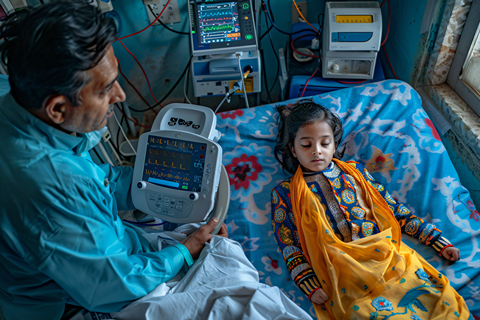
Department of Critical Care — Gupta Multispeciality Hospital, Jaipur
When a patient’s condition becomes unstable, every minute and every decision matters. The Department of Critical Care at Gupta Multispeciality Hospital, Jaipur provides focused, coordinated intensive care for patients with life-threatening illnesses and complex medical needs. Our team pairs advanced monitoring and organ-support technologies with clear communication and compassionate family-centred care.
Advanced monitoring
- Continuous cardiac and respiratory monitoring
- Invasive arterial and central venous pressure monitoring when indicated
- Hourly urine output, blood gas analysis, and point-of-care labs for rapid decision making
Respiratory support
- Oxygen therapy, high-flow nasal oxygen (HFNO) and non-invasive ventilation (NIV)
- Full mechanical ventilation with lung-protective strategies for ARDS or respiratory failure
- Weaning protocols and early mobilization to reduce ventilator days
Hemodynamic & organ support
- Titrated vasoactive medicines (pressors/inotropes) with careful monitoring
- Renal replacement therapy (intermittent dialysis or continuous RRT) for kidney failure when needed
- Targeted fluid management to balance perfusion and avoid overload
Infection & sepsis management
- Rapid sepsis bundles: early cultures, appropriate antibiotics, and organ-support measures
- Source control coordination with surgery or interventional teams
Specialized ICU care
- Post-operative critical care for major surgeries (cardiac, neuro, trauma, transplant where applicable)
- Neuro-ICU monitoring in collaboration with neurology and neurosurgery
- Multidisciplinary rounds with physicians, nurses, respiratory therapists, pharmacists, and physiotherapists
How we diagnose and monitor problems
Critical care decisions rely on frequent, structured information:
- Bedside assessments and vital signs every hour (or more frequently as needed)
- Arterial blood gases (ABG) for oxygenation/ventilation status
- Portable chest X-rays and point-of-care ultrasound to check lungs, heart function and fluid status
- Lab panels including lactate, electrolytes, blood counts, cultures and organ function tests
- Advanced imaging (CT/MRI) coordinated when the patient is stable enough to move
We explain test results to families and discuss how each result changes care — for example, why a ventilator mode is changed, or why dialysis is started.
When a patient needs the ICU (key warning areas)
Seek critical care evaluation if any of the following happen:
- Sudden severe breathlessness, low oxygen levels despite oxygen therapy, or inability to maintain airway
- Rapid drop in blood pressure or shock signs (cold, clammy skin; very fast or slow pulse)
- Confusion, decreased consciousness, or sudden neurological decline
- Repeated high fevers with rapid breathing and low urine output
- Severe bleeding, major trauma, or multi-system deterioration
If you or a family member shows these signs in Jaipur, proceed to the Emergency Department immediately — early ICU care improves outcomes.
Please call +91 9588248715
Or contact us via email form below
-
Find a clinic near you
-
Call for an appointment!
-
Feel free to message us!
About Us
Gupta Multispeciality Hospital Private Limited is a leading multispeciality hospital in Jaipur, delivering advanced medical care with a strong foundation of ethics, trust, and clinical excellence.
- 3, Kalwar Road, Jhotwara, Jaipur
- Many doctors use wrong test to diagnose kids food allergies February 12, 2017
- Rising cost of diabetes care concerns patients and doctors January 15, 2017
- Can breakfast help keep us thin? Nutrition science is tricky January 5, 2017
- New report: Abortions in US drop to lowest level since 1974 December 22, 2016
- Fitness blogger says weight gain led to happier and healthier life November 17, 2016